Using DiSC in Onboarding: A Practical Guide for HR and Leaders
Organizations invest heavily in hiring the right people, but many underestimate what determines whether those people succeed.
The answer often depends on how quickly a new employee understands expectations, builds relationships, and feels confident contributing.
Research consistently shows that structured onboarding dramatically improves retention and productivity. Yet many onboarding processes still treat employees the same way even though people learn and adapt differently.
This is where DiSC can add value.
Why traditional onboarding often falls short
Most onboarding programs focus on information transfer:
- company rules
- tools and systems
- policies and procedures
- job responsibilities
But early success depends on something deeper: clarity, confidence, and connection
New employees are trying to answer questions such as:
- How direct can I be here?
- How fast should decisions be made?
- Do people expect independence or collaboration?
- How does my manager prefer communication?
Without answers, even capable hires hesitate, and hesitation slows performance.
DiSC provides a shared language to answer these questions early.
What DiSC adds to the onboarding process
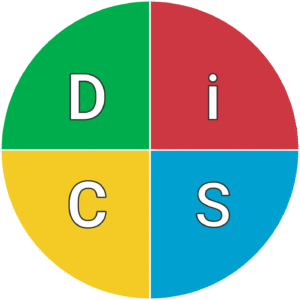 Everything DiSC assessment identifies behavioral tendencies across four styles:
- D — Dominance: results-oriented, decisive
- i — Influence: social, expressive
- S — Steadiness: supportive, consistent
- C — Conscientiousness: analytical, precise
When onboarding includes this insight, it shifts from orientation to integration.
Instead of guessing how to adapt, new hires understand:
- how they prefer to work
- how their manager works
- how the team collaborates
And teams learn how to work with them.
1. Personalizing the learning experience
One-size-fits-all onboarding is inefficient because people process information differently.
Examples:
 D-style employees
 D-style employees
- Want the big picture quickly
- Prefer goals and outcomes first
- Lose patience with long explanations
i-style employees
 i-style employees
- Need interaction and conversation
- Learn through discussion
- Engage faster with social introductions
S-style employees
 S-style employees
- Prefer structure and predictability
- Need time to absorb information
- Value reassurance and clarity
C-style employees
 C-style employees
- Want details and preparation
- Ask many questions
- Need logical explanations
When onboarding adapts to these preferences, employees feel competent sooner and competence builds confidence.
2. Strengthening the manager relationship early
One of the strongest predictors of early turnover is the manager relationship.
Onboarding is the first opportunity to align expectations, but conversations often stay vague.
DiSC makes discussions concrete:
- communication preferences
- decision-making style
- feedback expectations
- autonomy vs guidance
Instead of discovering friction months later, teams address it in week one.
3. Accelerating team integration
Besides learning a new job new hires also join a social system.
Without shared understanding:
- direct people may appear aggressive
- cautious people may appear slow
- social people may appear unfocused
- reserved people may appear disengaged
DiSC reframes behavior as difference, not problem.
This helps teams move from judging to adapting, and bring faster trust and smoother collaboration.
4. Turning onboarding into a two-way process
Traditional onboarding asks:
“How will the employee fit our culture?”
Everything DiSC enables a better question:
“How will we work effectively together?”
Teams can discuss:
- working preferences
- meeting styles
- response expectations
- feedback comfort
This prevents misunderstandings before they form habits and opinions.
5. Extending onboarding beyond week one
Real onboarding lasts months, not days.
Everything DiSC supports continued development through:
- follow-up activities on the Catalyst learning platform
- team workshops
- coaching
Instead of a one-time event, onboarding becomes an integration journey.
Practical ways to use DiSC in onboarding
Before start date (pre-boarding)
- complete DiSC assessment
- share personal introduction guide
- prepare manager discussion topics
First weeks
- review profile together
- discuss communication preferences
- introduce the Catalyst learning platform capabilities for self-learning
- align expectations
First months
- team style discussion with the help of the Catalyst platform
- adjust collaboration routines
- reinforce learning in real work situations
The business impact
Organizations using structured onboarding achieve higher retention and productivity, but personalization via the Everything DiSC Catalyst experience multiplies that effect.
DiSC accelerates:
- time-to-performance
- engagement and collaboration with the team
- manager alignment
In practice, it shortens the uncomfortable phase where employees are capable but cautious. DiSC helps new employees understand what to do AND how to work here. And that is what turns hiring into long-term success.
You might also be interested in