DiSC styles in remote work


In current times we all have an increased need for better communication. Continuing work and maintaining relationships through social distancing is challenging for all of us. How to make working from homework for us?

The DiSC concepts of “adapt” and “stretch”, which mean flexing into behaviors and mindsets not typically associated with our natural personality types, are skills that are even more important now. Some of us work happily from home and others need more support to make it work. However, every personality has the ability to be productive from home, but what works for one person might not work as well for another.

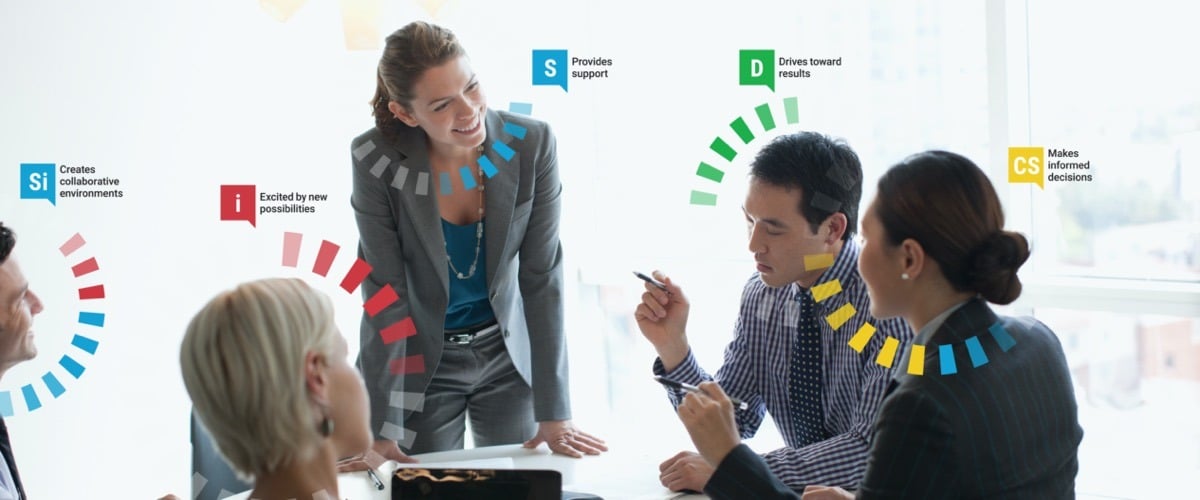
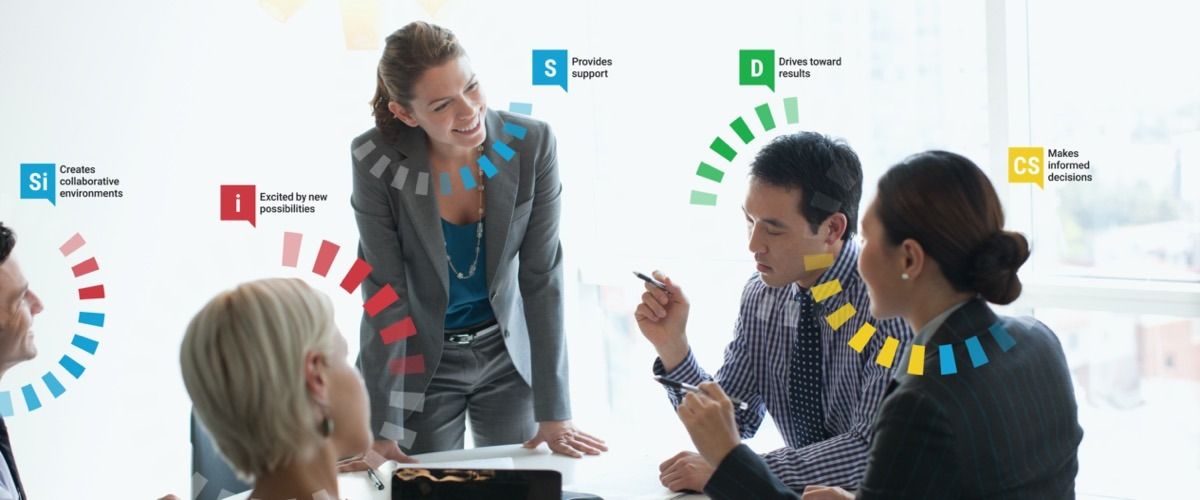
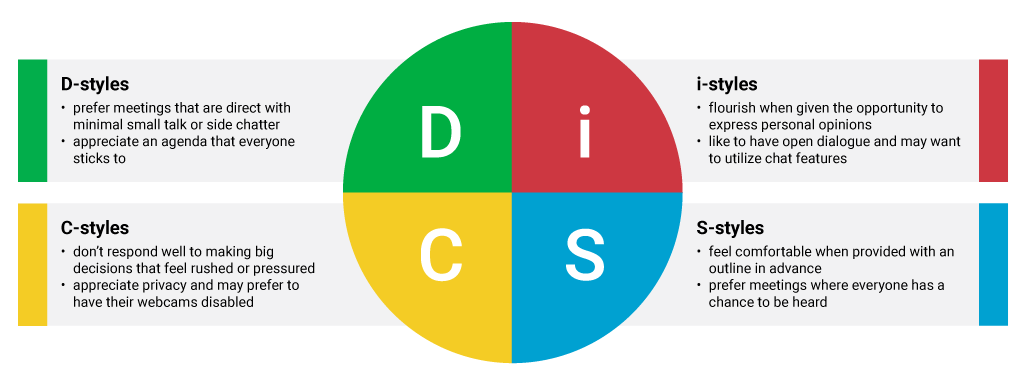
Consider how different personalities will respond to a video meeting with no agenda. Will the D-style feel like it will be a waste of time if there’s no agenda? Is the i-style excited about the chance to see everyone and their home setups? Will the S-style worry about how they should prepare? Is the C-style wondering why there’s any need for a video meeting when all of this could be done via email?

Being aware of personality differences and adapting to each other takes commitment and practice. But taking the time to set yourselves up for success is time well spent. You’ll be building team trust and relationships with each other – all positive signs of a cohesive team.


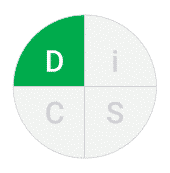
1D style

As a D-Style person, you will probably be eager and ready for the challenge of working from home. You feel like you’ll get lots done; you’ll be able to focus your energy. But you probably wonder about being able to work with your team from a distance.


Strengths

  • You’re results-oriented and driven, so you’ll get done what you need to get done.
  • You will ask for what you need to be successful from home.
  • You’re willing to try new collaboration and communication tools.

Challenges

  • You might be tempted to take shortcuts to complete something that’s been recently stalled.
  • You might move ahead on something too quickly, or ahead of the rest of the team.
  • Your communication style might feel cold to others and leave colleagues feeling unappreciated or even hurt.


2i style

You’re usually ready to try something new, so working from home might seem exciting at first. You understand that you’ll need to find new ways of staying connected with your colleagues and friends from work. You’re probably more likely than others to keep your extended work networks alive and active.

Strengths

  • You are naturally positive and enthusiastic and can use that energy to rally your team and maintain a feeling of camaraderie.
  • You won’t forget that human interaction is a human need and can make sure that time is created for socializing.
  • You like to experiment and will probably have ideas to share with the rest of the team about how to make working from homework for all of you.

Challenges

  • Working alone can be stressful for you and you’ll be easily distracted.
  • Routines can feel stifling, but they can also be very helpful in supporting the self-discipline you’ll need to stay focused and on task.
  • You might want to charge ahead when you should be asking for more specific instructions or for clarification around communications.


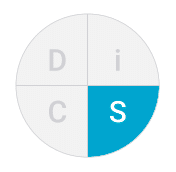
3S style

You enjoy friendly, cooperative workplaces and will miss the ease of collaboration that physical nearness enables.


Strengths

  • You like clear, complete, yet concise and friendly communication. You can model that for your team.
  • It might be easier for you to contribute your ideas and share your knowledge when given the extra time communicating online can provide.
  • Working alone isn’t stressful for you. You’re unlikely to get distracted from your focus on the team and its goals.

Challenges

  • Lack of frequent check-ins at a personal and professional level might leave you feeling disengaged or anxious.
  • New communication technologies might unsettle you. You’ll need to practice with them with someone you trust.
  • Others in your home, including children and pets, might want to demand your time during work hours and you’ll have to say “no” or shut them out of your room.


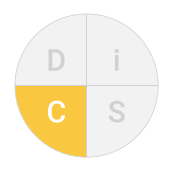
4 1C style

You enjoy your independence and the space to think things through thoroughly. You might not understand the frustrations others feel about not seeing each other at your workplace.

Strengths

  • You probably have the discipline and focus to make working at home easy.
  • Your attention to detail will help you evaluate the resource needs of the team and to select the most reliable technologies.
  • You don’t require a lot of face time or feedback to know you’re doing a good job.

Challenges

  • Your quick-and-dirty or to-the-point communication may make others feel alienated from you.
  • You might be tempted to just do a task yourself, rather than delegate it or collaborate on it.
  • Maintaining warm personal relationships with colleagues could be challenging and you’ll need to find new strategies for doing so.

Do you recognize the strengths and challenges of your style? What other challenges have you faced in adapting to remote work?

 

Thank you for some of the ideas https://www.discprofiles.com/blog/2020/03/disc-working-from-home


DiSC as a Catalyst for Cultural Transformation


As we all experienced first-hand now, we live in rapidly-changing and challenging times and workplaces. Some even call today the “era of always-on transformation.” I’m not sure about you, but to us “always on transformation” sounds exhausting! And it IS exhausting for most people. According to Bersin by Deloitte’s 2018 “Meet the Modern Learner” report, people working in today’s modern workplace are overwhelmed, exhausted, and distracted.

Here are a few facts that stood out to us:

  • More than 80% of all companies rate their businesses as “highly complex” or “complex” for employees.
  • Yet, fewer than 16% of those companies have a program to “simplify work” or help employees deal with stress.
  • Today there is a growing population (40% of the population!) who believe it is impossible to succeed at work and have a balanced family life.

Beyond Deloitte’s report, Gallup’s recent State of the Global Workplace report highlights a very serious global engagement problem…fewer than 15% of the global workforce is actively engaged.

You see, the very same, rapidly-changing workplace that is draining people of their precious energy, requires more now than ever before from those same people. As the global workforce becomes more VUCA (volatile, uncertain, complex, and ambiguous), it’s the people of an organization that fuels success and drives competitive advantage. As such, there has been a shift in perception around organizational culture, from nice-to-have to need-to-have. As quoted by Gary Vaynerchuk, “The most important thing for your speed, your company, and your service is your internal culture.”

But if we know anything about culture, we know it means very different things to different organizations. Culture, like almost anything else, is not one-size-fits-all. For some organizations, it’s “how we do things around here.” Others place a robust framework around a culture that articulates corporate values and behavioral policies. Still more, an unwritten behavioral code is learned over time. While the way we define and shape culture has infinite approaches, we know that there are three unifying characteristics of culture today:

  1. Culture is unique to each organization
  2. It is a critical driver of success
  3. It’s one of the hardest things to change. Period.

So what do we do? If culture is critically important to an organization’s future success, yet one of the hardest things to change, how do we rally people and organizations to make the leap toward better? How do we enable organizations to make true cultural transformation possible?

True cultural transformation does not just happen on its own. It’s the collection of thousands of moments, interactions, and choices made by each individual that builds the dynamic nature of culture. True transformation is an ongoing effort that takes not just Human Resources, not just the leaders of an organization, but each and every individual of an organization making a conscious effort toward positively contributing to their culture. True cultural transformation, while ultimately the responsibility of an organization, needs a catalyst.

We believe DiSC can be that catalyst.

Today, we are thrilled to formally share the Everything DiSC promise with all of you our manifesto video titled, DiSCOVER THE POWER OF WE™.  While we are proud of this video, we are even more proud of the millions of lives DiSC has impacted and the thousands of organizational cultures our solutions have helped start down the path from personalized insight to culture change. If you love this video as much as we do, share it with your friends! Because now more than ever, it’s time we empower all PEOPLE to engage, connect and thrive in today’s modern workplace.

This blog content belongs to Everything DiSC, a Wiley brand.


Can Great Relationships Support Happiness?


It’s not exactly a revolutionary idea that positive, healthy relationships are essential to a happy life. We are all, on some level, aware of this. However, as human beings we often unintentionally prioritize life’s everyday demands over these relationships. But what impact does this have on our health and happiness? In his TED Talk, Dr. Robert Waldinger offers a glimpse into this answer as he shares key insights from the longest-running study on adult development created by researchers at Harvard University.

The study first began 75 years ago (!) and continues to this day. Waldinger, the fourth director of this study, outlines the origin of the study and how its initial participants were selected. Of the original 724 participants, about 60 are still alive, most of them in their 90s. You can learn more about the Harvard St­udy of Adult Development here.

Through interviews, medical records, bloodwork, and other research, the key insight from the longest and most intensive study on human wellbeing is this:

“Good relationships keep us happier and healthier … period.”

Something interesting to note is that these relationships can seemingly come in any form, so long as they are positive and impactful. Familial, romantic, platonic, or community-based relationships all help keep our minds and bodies healthy. Whether it’s being with friends, coworkers, or neighbors, you will benefit from meaningful interpersonal connections.

Waldinger’s TED Talk caught our attention because in Everything DiSC®, we truly believe in the power of good relationships. We know that workplace relationships (whether they bring us joy or distress) form the environment we work in, which can have a profound impact on our overall satisfaction and performance.

Having the tools and knowledge to uncover insights like, “What motivates me?” and “What causes me stress?” gives people the ability to reflect and adapt to the communication needs of those around them. When we approach our interactions with the other person’s needs in mind, we start to build a stronger foundation for our relationships. It’s from this foundation that we can create deeper, more meaningful bonds.

“Over these 75 years, our study has shown that the people who fared the best were the people who leaned into relationships with family, with friends, with community,” says Waldinger. “What might leaning into relationships even look like? Well, the possibilities are practically endless.”

We’re proud that DiSC transforms the lives of people— both in the workplace and in their personal development. We understand that people who know how to sustain good relationships are happier and healthier, which ultimately adds to the value they give back to their organization. This creates a wonderful cycle that promotes positive cultural shifts and overall wellbeing in the workplace.

We echo Waldinger’s closing remark, “The good life is built with good relationships.” And with the right tools, those who once faced challenges building good relationships are now able to take an entirely new approach toward creating meaningful bonds with others.


This blog content belongs to Everything DiSC, a Wiley brand.


Games and Activities with DiSC Cards

Are you using DiSC® card games yet?

We want to bring your attention to the fact that there are three different DiSC card decks that you can use for several games, activities and exercises.

We highly recommend using these for creating a more interactive learning experience and for strengthening participants’ DiSC knowledge.

Here are the 3 different card decks which you can purchase from us:


1) DiSC® Dialogue card game

The DiSC® Dialogue is an entertaining card game that introduces learners to DiSC® and increases training effectiveness. You can play this game in five different ways (the rulebook comes with the package).
 

2) DiSC® Matrix card game

The DiSC® Matrix cards were developed as an exercise to challenge people to think about the differences between the four dimensions of DiSC. Through game and discussion, these cards enable us to go in-depth with DiSC. They are also meant to be used as a reinforcement of DiSC knowledge.


3) DiSC Group Culture card game

This game is meant to be played by groups, mostly real teams, who already have a basic knowledge of DiSC. The game goes together with the DiSC Group Culture Report.


You can purchase the digital version of all these DiSC card games in English for 95 EUR. The files come fully designed, ready to print and with instructions where you can read more about the rules of the game. Please contact us if you want to order the DIY card files of these games in English or ask for availability in other languages.


5 tips for facilitating DiSC


Although DiSC® profiles are specifically designed to be easily interpreted and understood, a good, certified DiSC facilitator can help maximize the learning and get more value out from the profiles.

The skill and expertise of the person interpreting and applying the results of DiSC are as critical as the tool itself. Repairing a car often requires sophisticated diagnostic equipment. But having tools for that is not enough. An expert mechanic is needed to translate the information, create meaning, and take action that results in a positive outcome. The same is true with DiSC.

Here are 5 tips that will help you get the best out of your DiSC session:


1. Always introduce the DiSC Cornerstone Principles and reinforce them at every opportunity

  • All DiSC styles and priorities are equally valuable, and everyone is a blend of all styles
  • The goal of DiSC isn’t to put people to boxes. Actually, it’s the opposite – to get them out of their box and increase their behavioral amplitude
  • Your DiSC style is mostly inborn but is also influenced by other factors such as life experiences, education and maturity
  • Understanding yourself better is the first step to becoming more effective when working with others
  • Learning about other people’s DiSC styles can help you understand their priorities and how they may differ from your own
  • You can improve the quality of your life by using DiSC to build more effective relationships in your workplace, with your clients, and in your personal life


2. Review the profiles of the participants in advance

This will help you to understand how the participants may prefer to receive information and allow you to adjust your delivery style accordingly. Reviewing the results helps also to be prepared for questions that may arise during the session.

If you work with teams, create free Team View Reports and generate a Group Culture Report to get an overview of the collective styles and how they work together.


3. Make use of additional tools

If a respondent struggles to identify with the profile results (it generally happens rarely), refer to the Supplement for Facilitators in Everything DiSC profiles or Graph I and II page in DiSC Classic profiles.

Supplement for Facilitators report will give you more information about the respondent. The umbrella graph is particularly helpful to identify DiSC styles that may not be fully explored within the report.

In this example, a respondent has returned a D (Dominance) preference based on the algorithm’s interpretation of their answers to the self-assessment. However, the main report does not reflect the fact that they also have high scores on the CS/SC areas. Exploring this with the respondent will help them understand their results and feel more comfortable with the analysis.

The Supplement will also help you discuss those priorities that may have been scored highly but are not the natural priorities associated with the style. In this example, the need for Stability is not a usual fit with the D style, but is clearly important to this person and may drive aspects of their behavior.

With DiSC Classic, you can similarly get more background information from the last page in the profile and analyze Graph I and Graph II and the meaning behind them.


4. Save yourself time and take a step up by using a DiSC Facilitation Kit

These resources provide you with everything you need to run a workshop or coaching session.

Includes three 90-minute modules, fully-scripted facilitation with engaging activities, and workplace-focused video that features DiSC® styles in real work situations

You don’t need to follow this ready-made training program word by word, but it will certainly save you time in preparing a tailored workshop for your own audience.


5. Ways to encourage participation and improve your own facilitation skills

  • Frame it up. Plan opening comments carefully to communicate session goals and explain what you want to accomplish. People are more willing to open up and learn when they know the goals.
  • Get people talking. Start with an easy, safe question. Even beginning with casual introductions makes participants more likely to participate later.
  • Summarize frequently. Think of this as jumping to the “big picture”: remind people what the goals and scope of the discussion are, make connections and point out common themes, summarize information and how it will be used.
  • Ask questions that can be answered with yes or no, single words, or short phrases when you want to slow discussion and regain control.
  • Know when to stop. Bring the discussion to a close at an appropriate time – when you’ve reached your goal or when the discussion is no longer fruitful. Thank the group for their valuable input.


2 Great EPIC Platform Tips


Whether you have used EPIC platform for many years, or you have started out recently – you might not be aware of these 2 great functions that can add value in your respondent’s journey with DiSC while also saving admin time for you.


1. Adding Custom Email Messages while sending out access code emails – Great for better respondent journey and quicker completion of the questionnaire

EPIC allows you to save several email templates. These can be used for sending out access codes or reminding participants to complete their profiles.

Once stored in the library, the messages can be inserted into emails anytime EPIC provides you with an option to insert Custom Email Messages.

Instructions:

Go to Personal Options / Manage Custom Messages

EPIC will display the custom message folders and messages you already have stored.

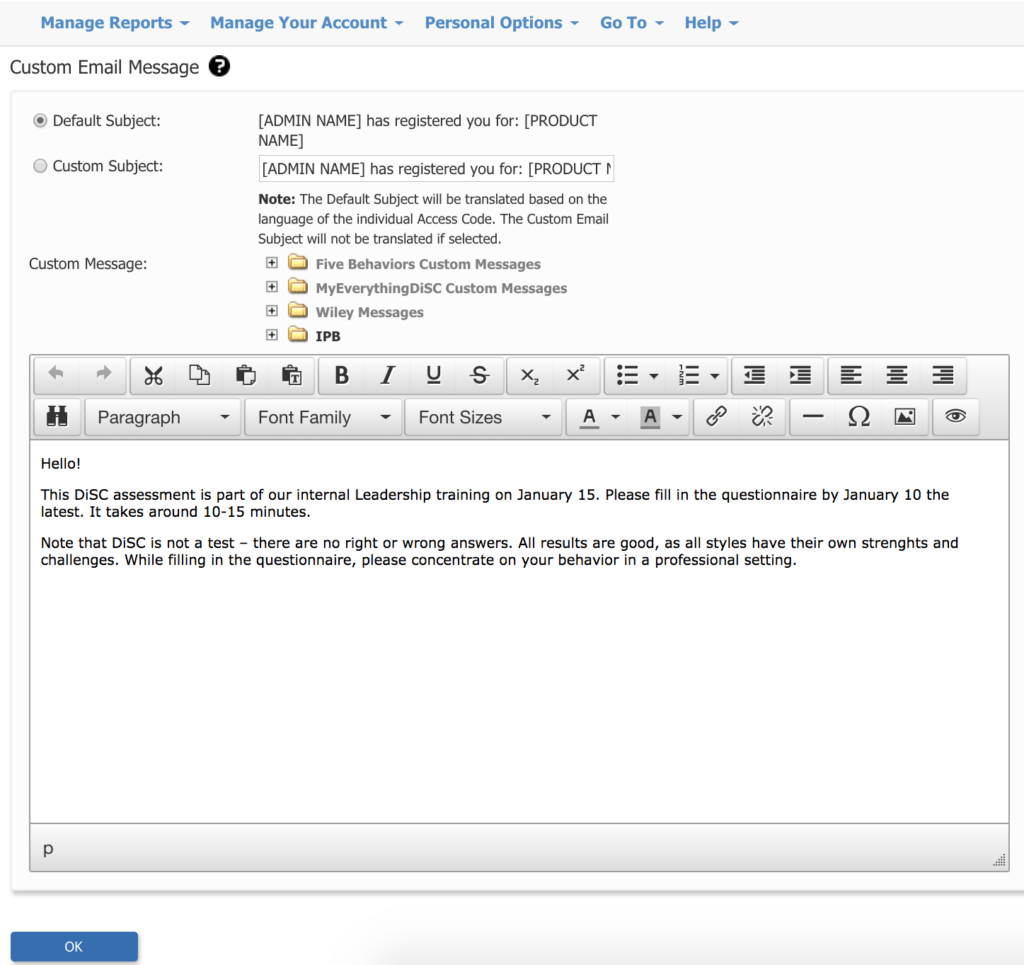
Click Create a new message and you’ll see a screen like this.

1 1

  1. Give your custom email message a title.
  2. Select a folder in which to store the new message (you can create a new folder for that).
  3. In the text editing area, enter the text you want to include in your message.
  4. Press the Save button to complete the process.

On the image above you can see a sample text we usually recommend adding to the access code email in order for the respondents to be prepared better.

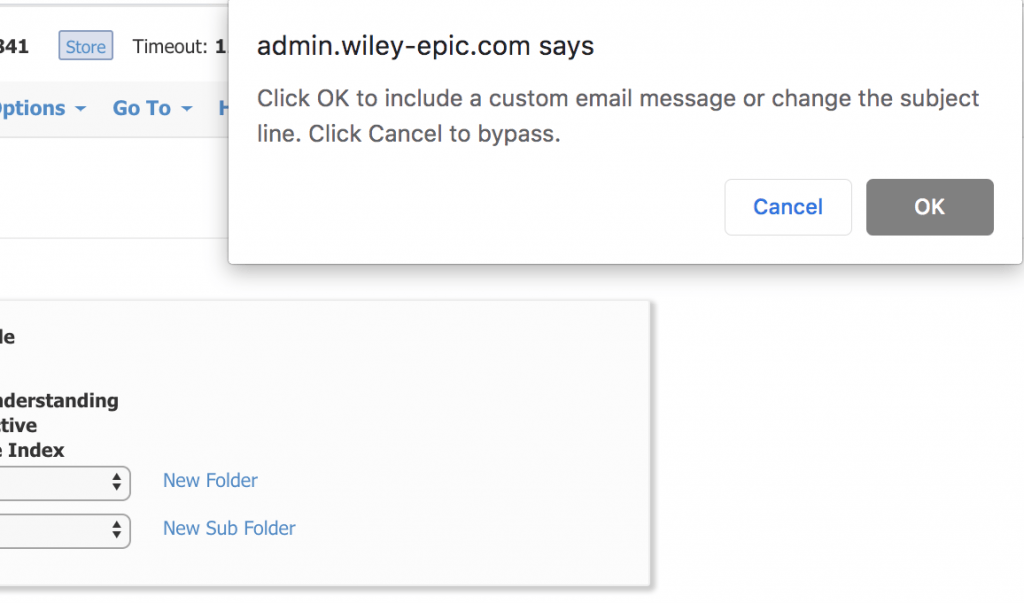
After this is done, you can always choose this template when you send out assessment links. For that click OK on the final notification message before sending out the email:

2 1

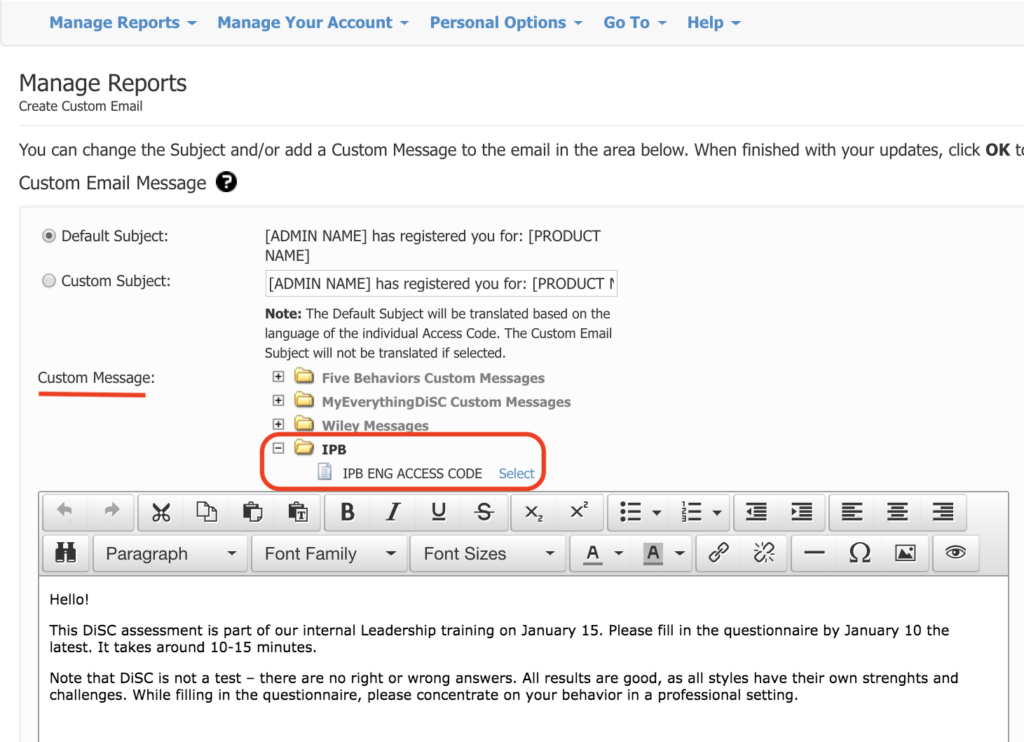
On the next page find the saved template under Custom Messages and click Select. The message is now added to the email and you can click Send.

3 1


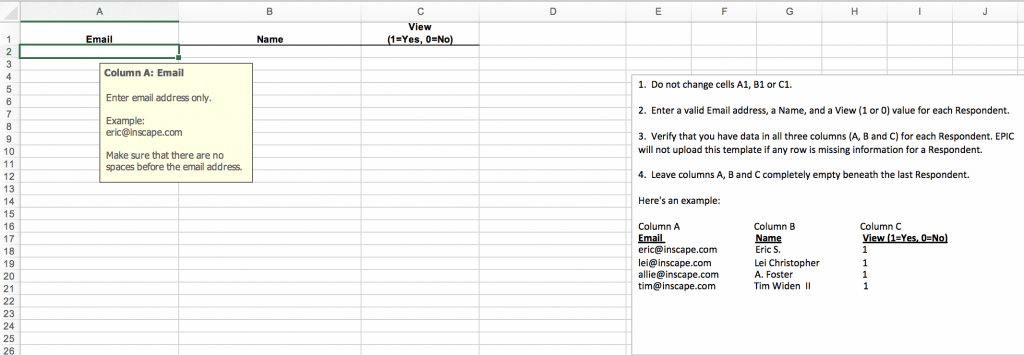
2. Import Respondent details from Excel file – Great for a faster process of sending out the assessments

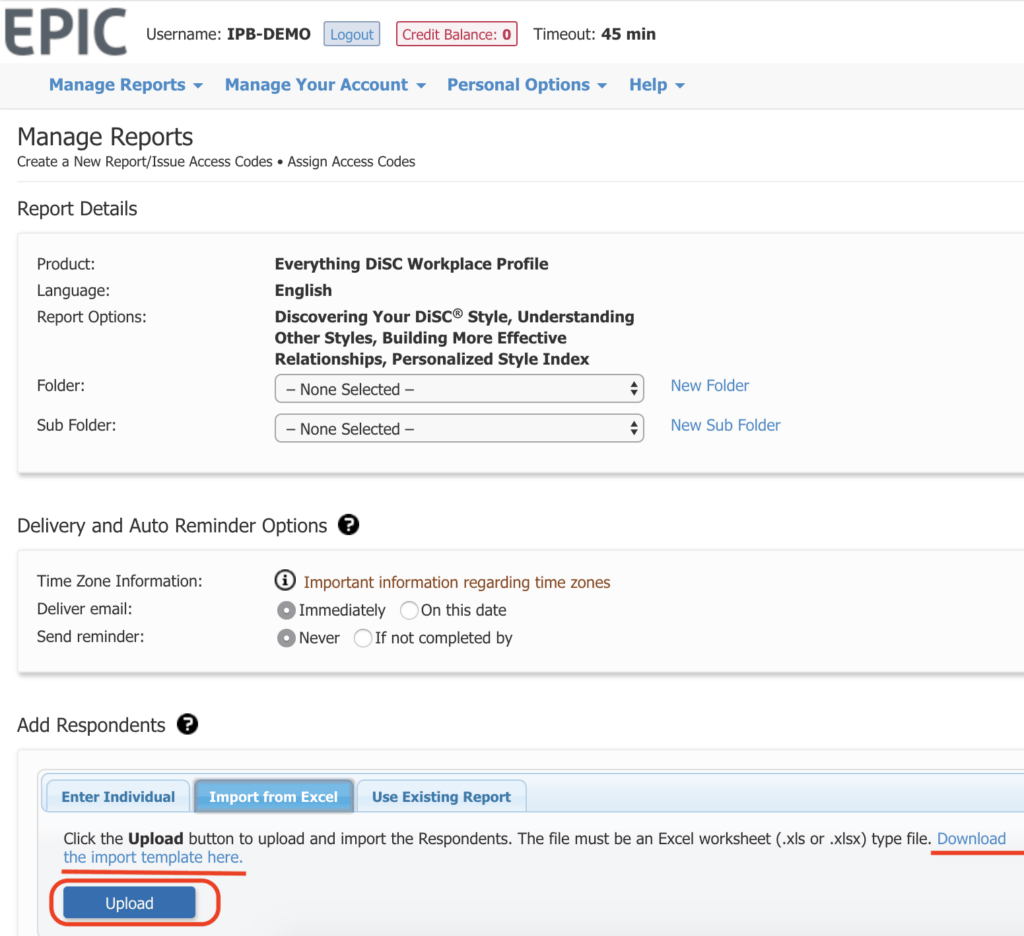
If you are sending out 5 or more new assessments, then you can save a lot of time by importing respondents’ data directly from an Excel file. It is quicker to add all the respondents to Excel and upload it to EPIC rather than adding the respondents one by one.

Instructions:

4 2

Download the template and fill it in with your respondents’ data. In column C, choose if you want respondents to get their results after completing the assessment or not. Save the Excel file and then upload it by clicking on the Upload button as shown above.

5 2

For filling in the Excel, just follow the instructions on the downloadable import template.

If you haven’t used these moves in EPIC before, then we hope that you can try these out soon and find them useful. Feel free to ask us, if you need any further guidance!


Overcoming DiSC Sales Objection


Sales objections are the reasons why your prospects can’t or won’t buy your service. Some prospects will tell you they don’t need your service. Others will think they don’t trust your company. Maybe they don’t have room for your service in their budget.

Prospects don’t come around easily so you can’t afford to give up on a potential sale so quickly.

It’s your job to reframe the perspective of your potential customer.

What is great about any objection is that it gives you a critical insight into the exact pain point you need to overcome. In addition, the objection often reveals something about the person’s DiSC style. The nature of their objection and how it’s communicated contains important information, helping you to tailor your response accordingly.

There are almost always ways to address your prospect’s concerns if you approach the objection in the right way.

We will bring you just a few of the most common objections that you might come across while selling your DiSC-based services.


Need

If the prospect thinks they don’t need your service or this product, you should try to reframe the conversation and change their perspective if you still think you can add value for them. DiSC profiles have very wide application opportunities, so it can add value to many different programs and create a much more personalized training experience no matter the topic.

You will definitely come across a situation where a prospect tells you “I’ve already done DiSC, what else do you have?”. It’s important to explain that DiSC is not just one profile as there are many different DiSC tools and applications.

Or you can always ask back “But how are you using DiSC and the knowledge that you got from your last experience?”. Most with already some prior experience with DiSC would greatly benefit from a follow-up DiSC-based training to refresh and deepen the knowledge, and most of all – rehearse their behavioral adaptation.

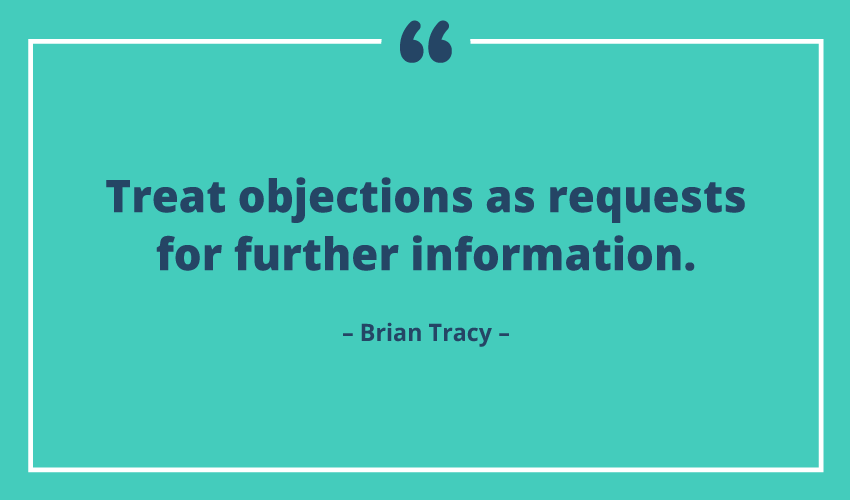
quote 12

Price

The budget doesn’t have to be a deal-breaker.

If the prospect says “It is too expensive” then you should talk about the added value DiSC profiles could offer their business. It’s about convincing the prospect not to see it as a cost, but rather as an investment in their people.

You could point at the reasons why to believe in DiSC – the foundation of research, transformational learning and global trust and scale of it (2 million learners every year experience DiSC). Also, it’s always great to refer to existing customers who have benefited from DiSC.

If the prospect says, “I can find a cheaper alternative” you could ask: “If price were not an issue on this, is this solution something you would move forward with today?” It’s important to remind that cheaper in most cases does not mean better, so ask the prospect if they have considered if the alternative solution is:

  • A) researched, validated and normed in your local culture?
  • B) a diagnostics tool (a lot of beautiful numbers with little impact and help in long term) or a development tool (focused on developing people and helping them to implement this knowledge in their workplaces)?
  • C) a one-time assessment tool or a true catalyst for cultural transformation?


Time

This objection will test your sales skills, especially on the phone. Your relationship management and conversational prowess is vital.

  • If the prospect says, “I’m not interested now, but maybe next year” then you could ask “What will change by next year?”.
  • If the prospect says, “I need to think about it” or “I need more time” you could ask back “What is your specific concern about making this decision?” and “What’s stopping this from moving forward?”. Maybe there is something more you could do (materials to send or joining the meeting with decision-makers).


Competition

If the prospect says, “I’m already using [competitor tool]”, the good news is it means they have a need for such solutions. Now it’s your job to prove your service is a better option.

You could reply with “I’m glad you’re already working with a provider-because I’m confident we can help you with [goal 1] and [goal 2] even more than your current provider. Why did you choose their service? What is working well? What isn’t?

When the prospect is reluctant to switch, you need to show them the benefits and highlight what that means for their business.


Trust

If you’re a new company and the prospect thinks, “Your company is much smaller than [competitor]/I’ve never heard of your company”, make sure you have some testimonials ready. Buyers want to see a solid track record. Your passion for the service and helping the client is just as important.

You could answer: “We’re a [type of company] that helps [target audience] do [outcome], and DiSC so far helped [customer 1], [customer 2], and [customer 3] exceed their [another outcome].”


Overcoming sales objections isn’t impossible. In fact, sales objections open up doors to understanding your prospect more and the more you learn about a prospect, the easier it is for you to build trust and show them that your service is there to help them.

Of course, preparing for sales objections does not replace what is central to selling – one’s true enthusiasm and a thorough understanding of the solution, but it does provide a definite advantage in sales.

What kind of DiSC sales objections have you faced? How did you overcome them?


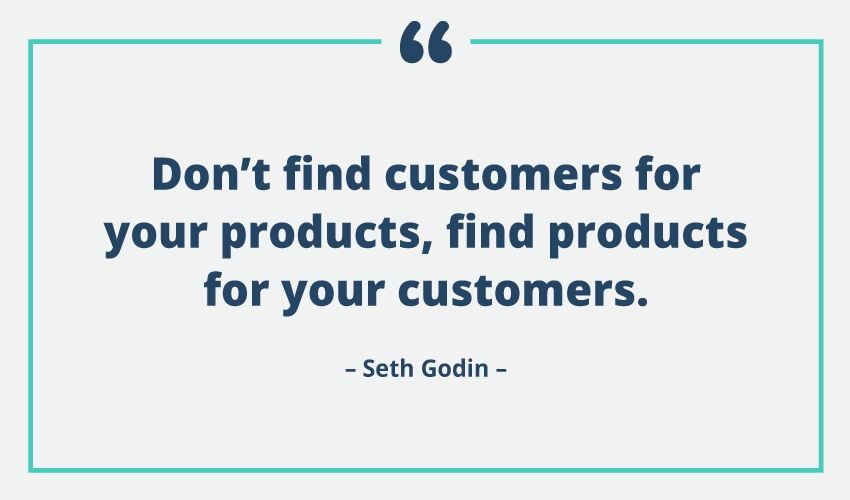
quote 13 

Source: text is based on Overcoming objections in sales by Pipedrive.

Introducing the new Everything DiSC® promotional video

True cultural transformation, while ultimately the responsibility of an organization, needs a catalyst. We believe Everything DiSC® can be that catalyst. We are thrilled to share the Everything DiSC promise with all of you in the premiere of our manifesto video, DiSCOVER THE POWER OF WE™.

Certified users are free to use this video for promotional purposes.

The Human side of productivity – interview with Julie Straw, Vice President of Everything DiSC®

Our workplaces are undergoing change at an unprecedented rate. We’re living in a new era of automation, disruption, and innovation, and it can be difficult to keep up. However, amid uncertainty and change, employers need to pay attention to their most valuable resource: their people.


How DiSC can help in team meetings?


As working life gets increasingly busy and many teams work together from distance, meetings might be the only chance we have to really “connect” with our coworkers. But the truth is, running productive meetings (both in-person and virtual) that leave people feeling clear, comfortable, and understood, can be a challenge. How to make the most of meetings in your organization through understanding everyone’s work styles?

We really liked the tips given in Dori Meinert’s article on SHRM.org, “7 Steps to Running Better Meetings.” Some of these include limiting the number of participants (fewer than eight is ideal) and making sure everyone gets a chance to participate. An HBR article with a similar topic, “Why Your Meetings Stink—and What to Do About It” by Steven G. Rogelberg, echoes Meinert’s sentiments while providing more reasoning behind the action steps you can take to give your meeting culture a 180°. “Before you hold a meeting, force yourself to make deliberate choices. First, know exactly why you’re convening and define your goals to set the stage for achieving them,” Rogelberg writes. “This process may include asking others to suggest agenda items, which not only promotes relevance but also increases ownership and engagement. If you don’t have a clear mission or a list of agenda items, you should probably cancel.”

These tips are sincerely helpful, but we think something is missing from the equation of x + y = better meetings. So how can meetings be more engaging and productive?

A personality assessment like DiSC® can help to bridge the gap between employees and optimal workplace communication, which is often put to the test in situations like team meetings. Knowing your own DiSC style, and those of your coworkers, enables you to adapt your communication style—and even your meeting structure—to work well for everyone involved. If you’re leading a meeting and know ahead of time who likes to make decisions quickly and who needs more time, you’ll have more information to plan the conversation and share information at the right time.

Knowing what we know about DiSC styles, here are some of our tips (updated for virtual working environments) for creating meetings that feel like a productive use of everyone’s time:


ed blog image inline covid virtualmeetings


Of course, everyone is unique, and the above example is not suitable for all. Each DiSC profile is highly personalized, resulting in a completely authentic user experience for each individual. For example, people with blended DiSC styles, like an iD, may require a detailed agenda but love having spirited discussions with colleagues! Likewise, someone with an S-style may prioritize “action” like their D and i-style co-workers, which gives them some more assertive qualities not common of most other S-styles. This is why the DiSC assessment is so valuable: you’re able to better understand (and appreciate!) your co-workers in ways you hadn’t necessarily thought about before.

Who tends to be enthusiastic? Who’s doubtful? Who will jump in and offer their views? DiSC helps everyone understand each other’s priorities, capitalize on strengths, and minimize less useful tendencies. In the age of the rapidly changing workplace, where company culture is more important than ever before, locating pain points (oftentimes, meetings and meeting culture) can help evaluate your organization’s strengths and weaknesses. Leveraging a tool like DiSC can help identify and fix these pain points, leading to a more desirable work environment for everyone.


This blog content belongs to Everything DiSC, a Wiley brand.

IPB Partners - Authorized DiSC® Partner

Woldemar Mayer building
Paldiski mnt 29, corpus B, 6th floor
Tallinn, Estonia 10612

Contact Us

Name
Field is required!
Field is required!
E-mail address
Field is required!
Field is required!
Your message
Field is required!
Field is required!

Get a fun DiSC infographic and learn more about DiSC

E-mail
E-mail address:
Field is required!
Field is required!