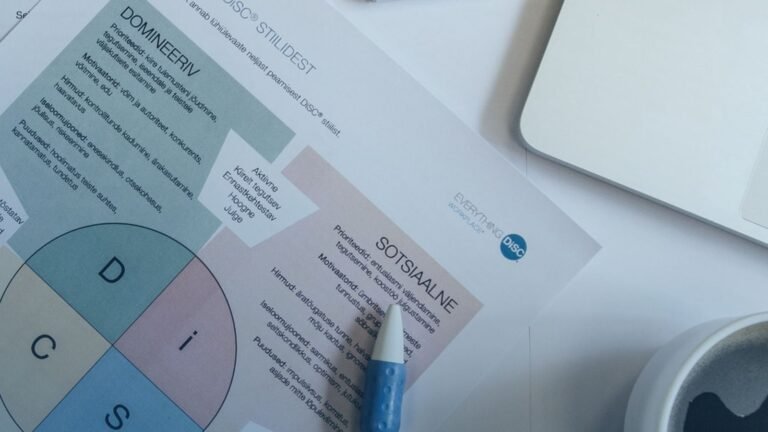

Primary motive
- Social recognition / attention
Fears
- Social rejection
Desires
- Being popular
- Being the centre of things
- Praise (you are OK)
- Group activities
- Positive relationships
- Freedom from control and details
Characteristics
- Optimistic
- Easily trusted
- Emotional
- Involved with people
- Outgoing
- Enthusiastic /charming
- Open
Limitations
- Impulsive / disorganised
- Promises too much
- Inadequate follow-through
DiSC®-based communication, high i
When communicating with a person with a high i:
- Be prepared for open dialogue
- Ensure a friendly atmosphere
- If possible give praise
- Socialize
- Ask for ideas, opinions, impressions etc
- Use personal references
- Talk about the latest news
- Listen attentively and ask guiding questions
- Say how well the meeting went
- Make special offers
A person with a high i may develop by:
- Evaluating people and situations in a more realistic way, i.e. evaluating negative as well as positive aspects
- Working in a more orderly and efficient manner
- Developing the ability to be firm and direct when resolving conflicts
- Being willing to listen to and consider less positive thoughts and feelings expressed by others
- Being more consistent in following up details
- Becoming better at time management
- Adopting a more critical attitude towards time spent on meetings and conversations
A person with a low i may develop by:
- Being more open and extrovert in their communication and contact with others
- Cooperating more often and with more people
- Speaking more often and more about themselves, their opinions and thoughts
- Communicating in ways that engage others
- Taking time to socialize and join in group activities
- Improving their insight into psychological matters
- Switching focus from the thing to the person
- Getting inspiration from unfamiliar environments and seeking out people who are different from themselves
- Believing in their ideas and opinions and trying to ‘sell’ these to others
- Showing more presence of mind
- Expressing and trusting in his/her emotions
- Teaching and training others
- Being inspiring and stimulating
- Emanating and expressing a positive and optimistic view of life
- Becoming more aware of social signals
A useful practice
At the end of your next meeting, write down the commitments and check them against the time available. Ask one colleague what still needs clarification.
Curious about your own style? Start with the free test, or get the full Everything DiSC® Workplace profile.